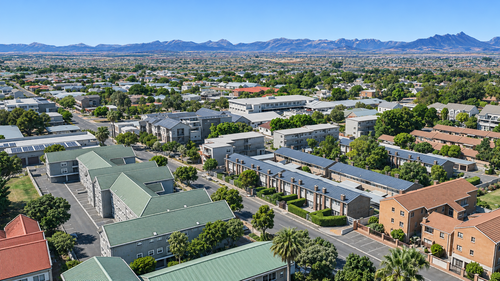
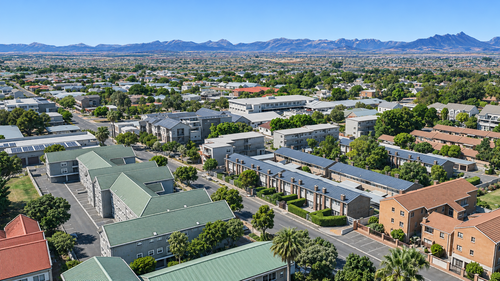

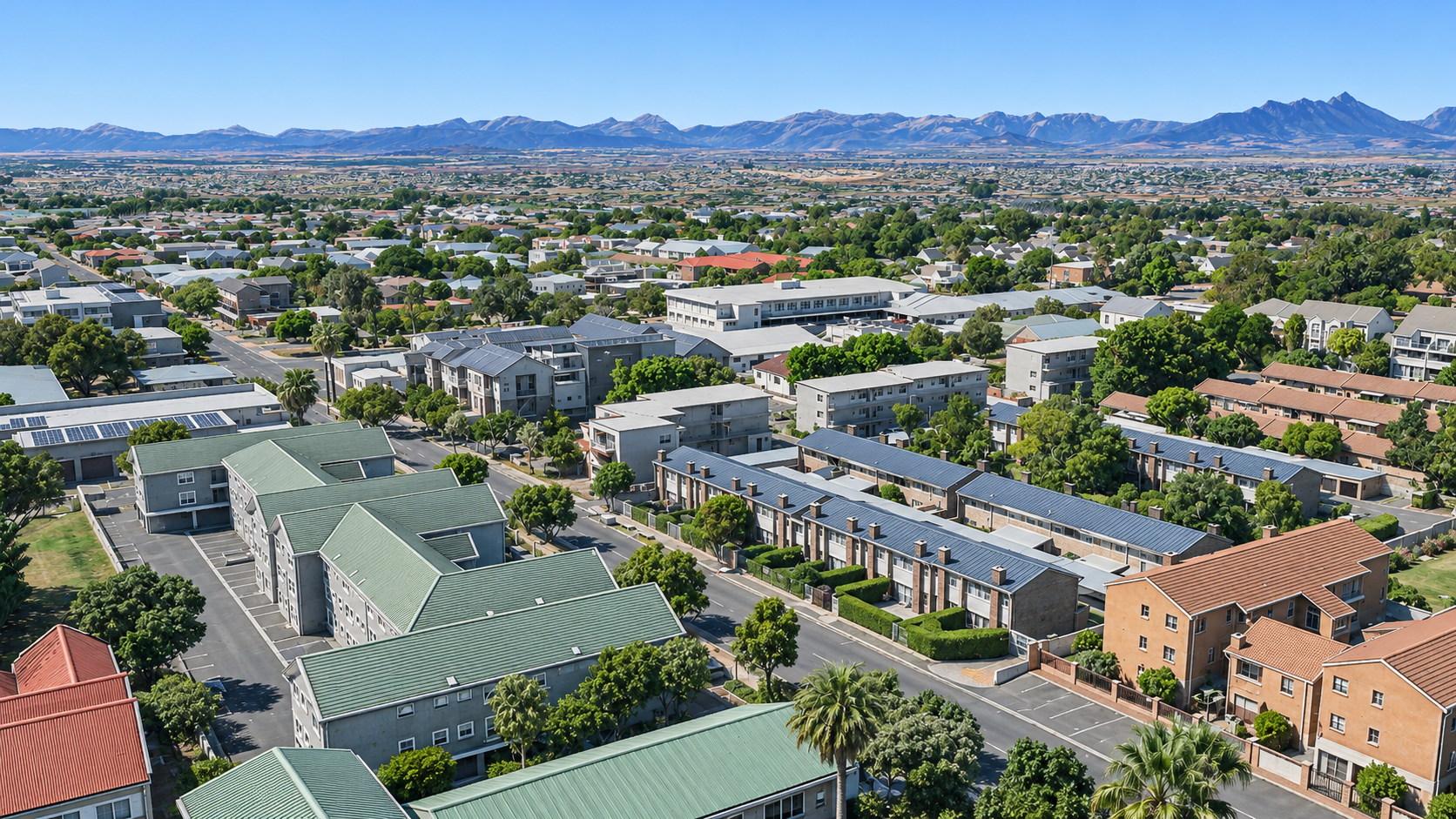

Office space is not currently recorded in this area, with no active supply or rental activity during November 2026.
Market Activity this area shows no office market presence at present, with no recorded office space stock available for analysis in this period.

Retail space achieved rentals of R480 - R120/m² (USD: 25.95 - 6.49/m²) during November 2026, with available stock currently at 963 m². This segment continues to reflect demand for high-quality retail property.
Market Activity retail space continues to show steady demand across key nodes, with availability levels reflecting ongoing tenant movement and consistent absorption within the sector.
Rental figures exclude VAT.

Industrial space is not currently recorded in this area, as the node is classified as non-industrial with no active supply or rental activity during November 2026.
Market Activity this area shows no industrial market presence at present, with no recorded logistics, warehousing, or manufacturing stock available for analysis in this period.
Choosing Commercial Property in Durbanville, Cape Town
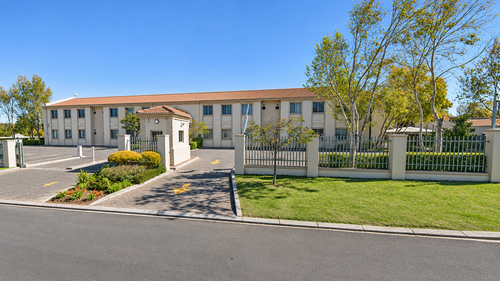
Durbanville provides businesses with a selection of established commercial offices, professional suites and mixed-use premises within one of the Northern Suburbs' principal suburban business centres. The area is particularly relevant to accountants, attorneys, financial advisers, consulting firms, medical-related businesses, training organisations and other professional practices requiring premises close to established residential communities. Businesses considering Durbanville should assess the available accommodation according to location, floor area, internal configuration, accessibility, parking and total occupation costs.
Office Accommodation in Durbanville Central
Durbanville's principal office market is concentrated around Queen Street, Oxford Street, Church Street, Wellington Road and New Street. These locations contain commercial buildings offering offices of different sizes and configurations. The Village Square provides contemporary upper-floor office accommodation within a mixed-use retail development. Individual premises are occupied by professional services firms, education providers, healthcare-related businesses and other office-based organisations.
Monaco Square, situated on Church Street, provides conventional office accommodation within an established commercial complex. Offices in the development may include reception areas, private offices, meeting rooms and open-plan workspaces. Park Central and other smaller commercial buildings provide additional accommodation for businesses requiring professional premises within the town centre.
Commercial Property Ownership and Leasing in Durbanville.
Durbanville has an established suburban commercial property market comprising conventional office buildings, professional suites, retail centres and mixed-use commercial developments. he principal business area is concentrated within Durbanville Central, where offices and professional premises operate alongside retail, healthcare and service-based businesses.
For commercial property owners, the performance of individual assets depends on tenant demand, location, building quality, rental competitiveness and effective property management.
Understanding the Local Tenant Market
Durbanville's office market serves a varied group of professional and commercial businesses. Financial advisers, accountants, attorneys and consulting firms may require smaller office suites with private meeting facilities, reliable telecommunications infrastructure and convenient parking. Healthcare-related businesses may require premises with suitable access, consultation rooms and supporting technical facilities.
Education and training providers may place greater emphasis on classroom configurations, staff facilities and accessibility. Retail and service businesses generally prioritise customer access, visibility and proximity to established pedestrian and vehicle movements. Landlords should identify the most suitable occupier categories for their properties before determining a leasing strategy.
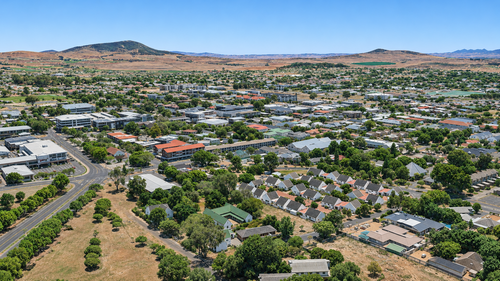
Durbanville is an established commercial and residential centre within Cape Town's Northern Suburbs. Its business district accommodates professional offices, retail centres, medical facilities, financial services, education providers and a range of smaller commercial enterprises. The main commercial precinct is centred on Wellington Road, Oxford Street, Queen Street, Church Street, Main Road and the surrounding streets of Durbanville Central. Commercial accommodation includes conventional offices, smaller professional suites, mixed-use developments, retail premises and buildings providing specialist business facilities.
See all Office Space to Rent in Durbanville
Durbanville differs from larger corporate office districts because much of its commercial property market has developed around the traditional town centre. Office buildings and professional premises are located among retail centres, restaurants, established institutions and older commercial properties. The area's surrounding residential neighbourhoods contribute to demand for professional services, healthcare, financial businesses and other local commercial activities.
Durbanville has a long history as a settlement and service centre within the northern part of Cape Town. The original settlement developed around a freshwater spring known as Pampoenkraal, which served travellers and farmers moving through the region. The area later became known as D'Urban before adopting the name Durbanville.
Agriculture and the surrounding wine-producing farms influenced the early local economy, while the growth of residential communities contributed to the development of shops, professional services and commercial facilities. Much of Durbanville's established commercial character developed during the twentieth century, as the traditional town centre expanded to accommodate retail businesses, offices and community services. Buildings along Main Road, Church Street, Queen Street and nearby streets reflect different periods of the town's development.
The centre retains elements of its historic character alongside more recent commercial and mixed-use buildings. The development of shopping centres, professional offices and medical facilities has strengthened Durbanville's role as a suburban business centre serving the Northern Suburbs.
Wellington Road is one of Durbanville's principal commercial routes. The road passes through the established town centre and accommodates retail businesses, restaurants, professional premises and other commercial activities. It provides access to adjoining business streets and connects the central commercial district with the surrounding residential areas. Properties along Wellington Road vary in size, age and configuration. Some premises are suited to street-facing retail and customer-facing businesses, while others provide professional office accommodation. The road's position within the traditional CBD makes it an important reference point for Durbanville's commercial property market.
Oxford Street is an established business location within Durbanville Central. The street accommodates a variety of commercial buildings, including The Village Square and surrounding retail and professional premises. The Village Square office component is situated at 34 Oxford Street, providing upper-floor commercial accommodation within the mixed-use development. Office premises along Oxford Street are relevant to businesses requiring access to the town centre's retail facilities, restaurants and supporting services. The condition and configuration of individual properties vary, and occupiers should assess parking and building access arrangements.
Queen Street forms part of the historic commercial centre of Durbanville. It provides access to The Village Square and a variety of smaller retail, office and mixed-use buildings. The street connects with Oxford Street and other central business routes, supporting pedestrian and vehicle movement through the area. Commercial premises along Queen Street may be relevant to professional services firms and businesses receiving regular visitors. The combination of office and retail uses contributes to its established commercial character.
Church Street is another important office and professional business location. Monaco Square, situated at 14 Church Street, is one of the recognised commercial office developments in this part of Durbanville. Other commercial properties along the street include individual professional premises and mixed-use buildings. Church Street provides accommodation for businesses requiring a town-centre location while operating from smaller commercial properties rather than large office towers. The street also forms part of Durbanville's historic urban environment.
New Street connects several parts of the central business district and accommodates established commercial properties. Park Central is one of the identifiable office developments along this route. The street provides access to the surrounding town centre, including nearby retail and professional services. Commercial accommodation includes smaller office suites suited to consulting businesses, administrative companies and independent professional practices.
Main Road forms part of Durbanville's established commercial and transport network. The road accommodates retail and professional business activity, with Palm Grove Centre providing an identifiable mixed-use commercial location. The surrounding precinct includes restaurants, shops, professional premises and service businesses. Main Road also connects with the wider Durbanville road network, supporting movement towards surrounding residential and commercial areas.
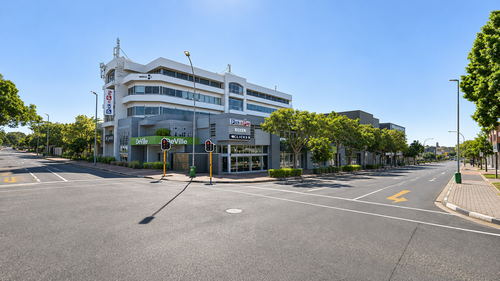
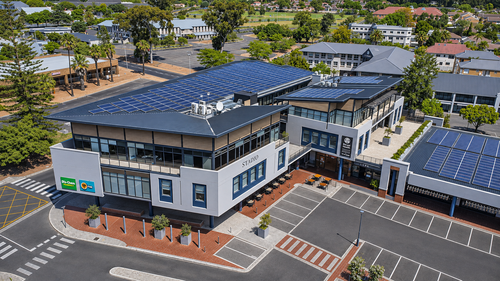
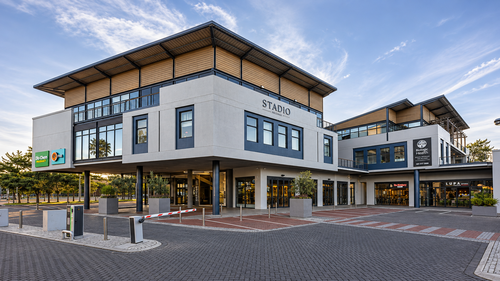
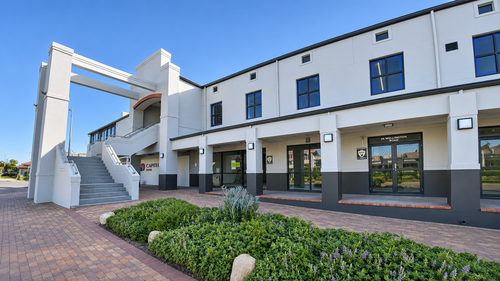
The Village Square is one of Durbanville Central's most recognisable mixed-use commercial developments. Situated at the intersection of Oxford Street and Queen Street, the property combines retail accommodation, restaurants and upper-floor offices within an established shopping and business environment. The office component accommodates professional service firms, educational organisations, healthcare-related businesses, engineering practices and other office-based companies.
Commercial premises are arranged across different levels, with individual suites varying in floor area and internal configuration. The development provides parking and supporting facilities associated with its retail and office components. The Village Square is an important example of how contemporary office accommodation has been integrated into Durbanville's traditional town centre. Its combination of offices, retail businesses and restaurants contributes to the commercial environment experienced by employees and visitors.
Monaco Square is an established commercial office development at 14 Church Street in Durbanville Central. The development provides conventional office accommodation within a smaller commercial complex. Individual premises may contain reception areas, private offices, boardrooms, meeting rooms, kitchens and open-plan workspaces. Selected suites also include balconies and access to allocated parking facilities.
The property is relevant to financial services firms, consulting practices, administrative organisations and other professional businesses. Monaco Square contributes to the selection of established office accommodation available within the Church Street commercial precinct.
Park Central is a commercial office development situated along New Street in Durbanville Central. The complex provides smaller office suites and professional premises within an established commercial setting. Individual units are suited to businesses requiring compact accommodation rather than substantial corporate floor plates. The development forms part of the town centre's professional office market and provides an alternative to larger mixed-use buildings. Prospective occupiers should assess individual units according to their configuration, parking arrangements and available building services.
De Ville Centre is one of Durbanville's established shopping and commercial developments. The centre serves the surrounding residential and business community, offering retail and service facilities within the central Durbanville area. Its surrounding commercial environment includes professional premises and other business accommodation. For office occupiers operating nearby, the centre provides access to everyday retail amenities. Commercial accommodation within or associated with the centre should be assessed according to its particular use, floor area and building configuration.
Palm Grove Centre is an established mixed-use commercial development along Main Road in Durbanville. The property accommodates retail and professional office uses, with premises serving businesses requiring access to the traditional town centre. Commercial accommodation includes office suites suitable for smaller professional organisations and businesses requiring conventional working premises. The development contributes to the selection of established commercial buildings within Durbanville Central.
San Domenico is a smaller commercial office development situated on Church Street. The complex provides professional office accommodation within the central Durbanville commercial area. Its smaller office suites may be relevant to consulting firms, administrative businesses and individual professional practices. The property adds to the range of conventional office accommodation available along Church Street.
Durbanville's office market is primarily associated with smaller and medium-sized professional accommodation. Many businesses operating within the town centre require relatively compact premises with private offices, meeting facilities and reception areas. Financial services firms, accountants, attorneys and consultants are among the business categories suited to this type of accommodation. Other organisations may require larger spaces for administrative teams, training facilities or customer-facing services. Individual buildings provide different configurations, with some containing multiple smaller suites and others offering larger contiguous office areas. The presence of mixed-use developments means that office accommodation is often located close to restaurants, shops and supporting services.
Professional and financial services form an important part of Durbanville's business community. Attorneys, accountants, financial advisers, insurance-related businesses and consulting practices operate within the town centre and surrounding commercial locations. These businesses often require offices that accommodate both private work and regular client meetings. Accessibility, parking, security and the quality of the premises are important considerations. Durbanville's established residential communities contribute to demand for local professional services. However, the viability of an individual office depends on its location, rental level, condition and suitability for the particular occupier.
Durbanville accommodates a range of healthcare and medical-related services. Mediclinic Durbanville is an established private hospital serving the surrounding Northern Suburbs. The presence of the hospital, local medical practices and allied healthcare businesses contributes to the broader professional services market. Medical practitioners may require consulting rooms, treatment facilities and offices with appropriate access for patients. Specialist medical uses can involve additional requirements relating to plumbing, electrical installations, accessibility and regulatory approvals. Property owners and healthcare occupiers should confirm that the intended activity is permitted within the selected premises.
Retail activity forms a substantial part of Durbanville Central's commercial economy. The Village Square, De Ville Centre and Palm Grove Centre provide examples of established retail and mixed-use destinations. These developments accommodate shops, restaurants, convenience services and other businesses serving the surrounding population. The traditional commercial streets also contain independent retailers, professional service businesses and customer-facing premises.
See all Shops to Rent in Cape Town
Retail businesses should assess frontage, pedestrian movement, access, parking and the characteristics of their intended customer base. For office occupiers, nearby retail facilities provide access to restaurants, coffee shops, banking and other everyday services. Retail space to rent Durbanville.
Durbanville's commercial environment is supported by educational institutions and training businesses. Schools, private education providers and professional training organisations form part of the wider local economy. Certain office and mixed-use properties may be suitable for administrative offices, training facilities or educational support services. However, premises intended for teaching or training activities may require specific land-use permissions and compliance with applicable safety requirements. Businesses should verify the suitability of the building before committing to a lease.
Durbanville is connected to the Northern Suburbs through an established network of arterial and local roads. Durbanville Avenue, part of the R302 corridor, provides access towards the N1 highway. Wellington Road, Main Road and surrounding routes connect the central commercial area with neighbouring residential and business locations. The N1 provides regional access towards Bellville, Century City, central Cape Town and other metropolitan destinations.
See office space to rent in Tyger Valley
Businesses operating within Durbanville should assess the suitability of these connections according to employee commuting patterns and the location of their customers. Traffic congestion during peak periods can influence journey times, particularly along the principal access routes.
Durbanville Central is served by public transport, including bus and minibus taxi services. The town centre accommodates a public transport interchange supporting movement between Durbanville and surrounding areas. The location of an individual office relative to transport routes can influence its suitability for businesses with employees relying on public transport. Commercial occupiers should consider walking distances, operating hours and connections between residential areas and the workplace. The availability of transport services should be assessed for the specific routes required by employees.
Parking arrangements vary between commercial buildings in Durbanville. Some mixed-use developments provide basement parking and shared customer parking areas. Other smaller commercial properties offer allocated open or shaded bays, with different arrangements for employees and visitors. Tenants should confirm the number of available parking bays, applicable charges and any restrictions on their use. Businesses receiving frequent client visits should also assess the accessibility of building entrances and the relationship between parking areas and office suites. Lift access, stairways and facilities for people with disabilities may influence the suitability of certain properties.
Durbanville's commercial building stock includes older office properties and more recently developed accommodation. As a result, infrastructure and technical specifications vary. Businesses should assess electrical capacity, telecommunications infrastructure, fibre connectivity, air-conditioning and security arrangements. Certain developments provide backup electricity or generator-supported infrastructure, but availability should be verified for the individual premises. Older offices may require upgrades to meet the operational requirements of modern businesses. Property owners considering refurbishment should assess which improvements are likely to support tenant demand and achievable rental levels.
Durbanville retains a number of historically significant buildings within its established town centre. Properties along Main Road, Church Street, Queen Street and surrounding streets contribute to the area's historic character. The Rust-en-Vrede cultural precinct is another identifiable landmark associated with Durbanville's history and built environment. Historic commercial buildings may provide distinctive accommodation for professional practices or other suitable businesses. However, owners considering alterations should establish whether heritage protections apply. Changes to façades, building structures or other protected features may require approval from the relevant authorities.
Durbanville's commercial buildings have different ownership arrangements. Some properties are held as standalone commercial assets, while others comprise sectional-title offices within larger developments. Mixed-use properties may combine offices, retail premises and other commercial accommodation under shared management arrangements. These ownership structures can influence maintenance, operating expenses, parking rights and the approval of alterations. Investors should establish the applicable rules and financial obligations before acquiring an office or commercial unit. Where sectional-title arrangements apply, body corporate finances and shared maintenance responsibilities are important considerations.
Durbanville offers investment opportunities across office, retail and mixed-use property categories. The financial performance of individual assets depends on current rental income, tenant quality, lease duration, operating costs and anticipated maintenance expenditure. Smaller professional offices may appeal to owner-occupiers or investors seeking properties occupied by professional businesses. Larger commercial developments may accommodate multiple tenants with different lease arrangements. Retail properties require additional consideration of trading conditions, customer access and tenant mix. Investors should assess comparable transactions, achievable rentals and potential vacancies before determining the financial suitability of a property.
Durbanville is identified as a secondary central business district within the City of Cape Town's Northern District Spatial Development Framework. The planning framework supports the further development and intensification of appropriately located areas, particularly where additional mixed-use and residential accommodation can be introduced within the established urban environment. The Durbanville CBD has also been the subject of earlier urban design guidelines intended to manage development while retaining elements of the town centre's character. These planning considerations are relevant to commercial property owners assessing refurbishment, extensions or redevelopment. The possibility of additional development does not automatically establish existing zoning rights. Property owners should verify the applicable zoning, land-use permissions, building regulations and municipal approval requirements for each site.
The future Durbanville commercial property market will be influenced by residential growth, demand for professional services and opportunities for appropriate development within established business areas. Mixed-use developments may provide additional office and retail accommodation where supported by planning permissions and infrastructure capacity. The refurbishment of older commercial buildings may also create opportunities to improve the existing office stock. Businesses increasingly assess buildings according to accessibility, operational costs, telecommunications infrastructure and the suitability of internal working areas. Property owners should consider these requirements when evaluating future capital expenditure. Any proposed commercial development should be distinguished from completed buildings and currently available accommodation.
Durbanville has a distinct commercial identity within Cape Town's Northern Suburbs. Its office market is centred on an established town centre, with professional suites and smaller commercial developments located among retail businesses and community facilities. The Village Square, Monaco Square, Park Central and other office properties provide different types of accommodation within the central business district. This differs from more extensive corporate office precincts elsewhere in the Northern Suburbs. For businesses, Durbanville may be relevant where proximity to residential communities, professional services and town-centre amenities is important. However, the suitability of the location still depends on individual employee commuting requirements, building specifications and total occupation costs.
Durbanville remains an important suburban commercial centre within Cape Town. Its professional office buildings, established retail facilities and historic commercial streets contribute to a varied business environment. Buildings such as The Village Square, Monaco Square, Park Central and Palm Grove Centre provide examples of the commercial accommodation available within the town centre. For tenants, the main considerations include floor area, office configuration, parking, accessibility and infrastructure. For landlords, effective maintenance, competitive rentals and vacancy management are important to commercial property performance. For investors, property condition, tenant quality, ownership structure and operating expenses should form part of the assessment. The continued development of Durbanville's residential and commercial environment supports its role as a professional services and suburban business centre within the Northern Suburbs.
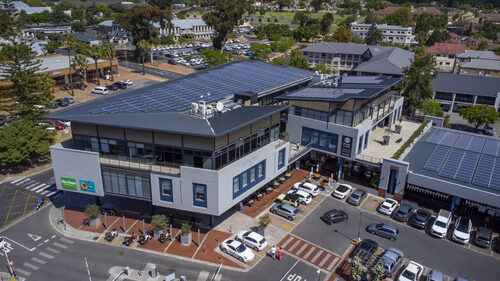

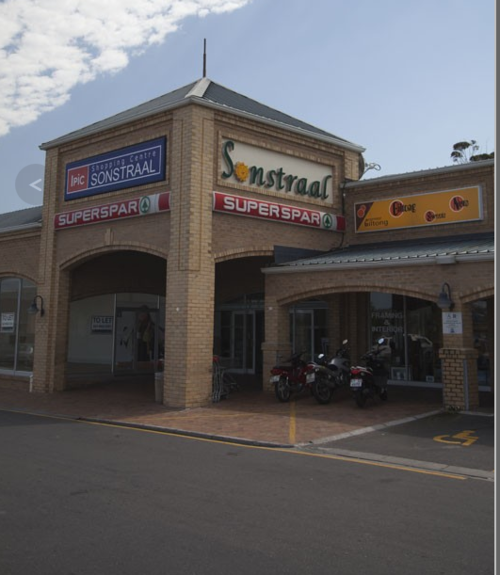
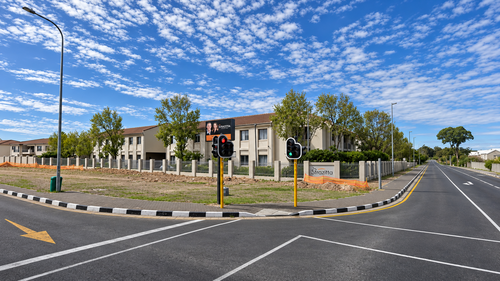
Corner Langeberg Road & Verdi Boulevard, Durbanville, Northern Suburbs
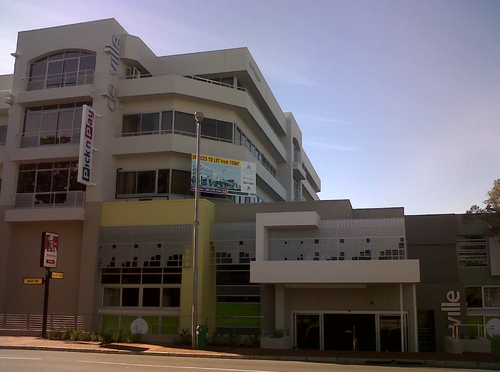
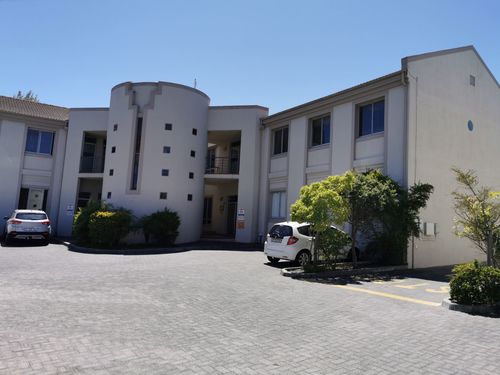
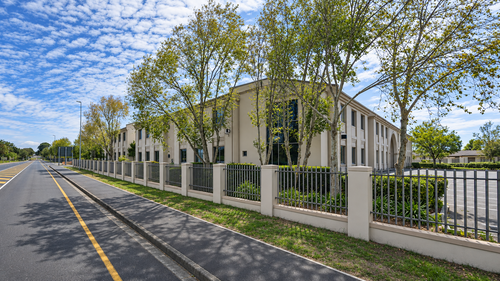
Cnr Langeberg Road & Batis Road, Durbanville, Northern Suburbs


Direct marketing and distribution to our vast broker network.

Securing the best possible terms with new tenants and managing renewals.

Handling the entire process from lease preparation to deposit collection.
Please enter your email address below. Once submitted, you will receive your requested report as an attachment via email.
Call us to discuss your requirements - we're awaiting your call.


Search Knight Frank SA: You can't beat local passion backed by global support.


