

Office space is not currently recorded in this area, with no active supply or rental activity during October 2026.
Market Activity this area shows no office market presence at present, with no recorded office space stock available for analysis in this period.

Retail space is not currently recorded in this area, as the node is classified as non-retail with no active supply or rental activity during October 2026.
Market Activity this area shows no retail market presence at present, with no mall or street front retail stock available for analysis in this period.

Industrial space achieved rentals of R28 - R90/m² (USD: 5 - 2/m²) during October 2026, with available stock currently at 2 288 m². This segment continues to reflect demand for high-quality industrial property.
Market Activity industrial space continues to show stable demand across logistics, warehousing, and light manufacturing nodes, with absorption trends supported by ongoing supply constraints in key industrial corridors.
Rental figures exclude VAT.
Industrial and Commercial Space in Maitland and Ndabeni: What Tenants Need to Know
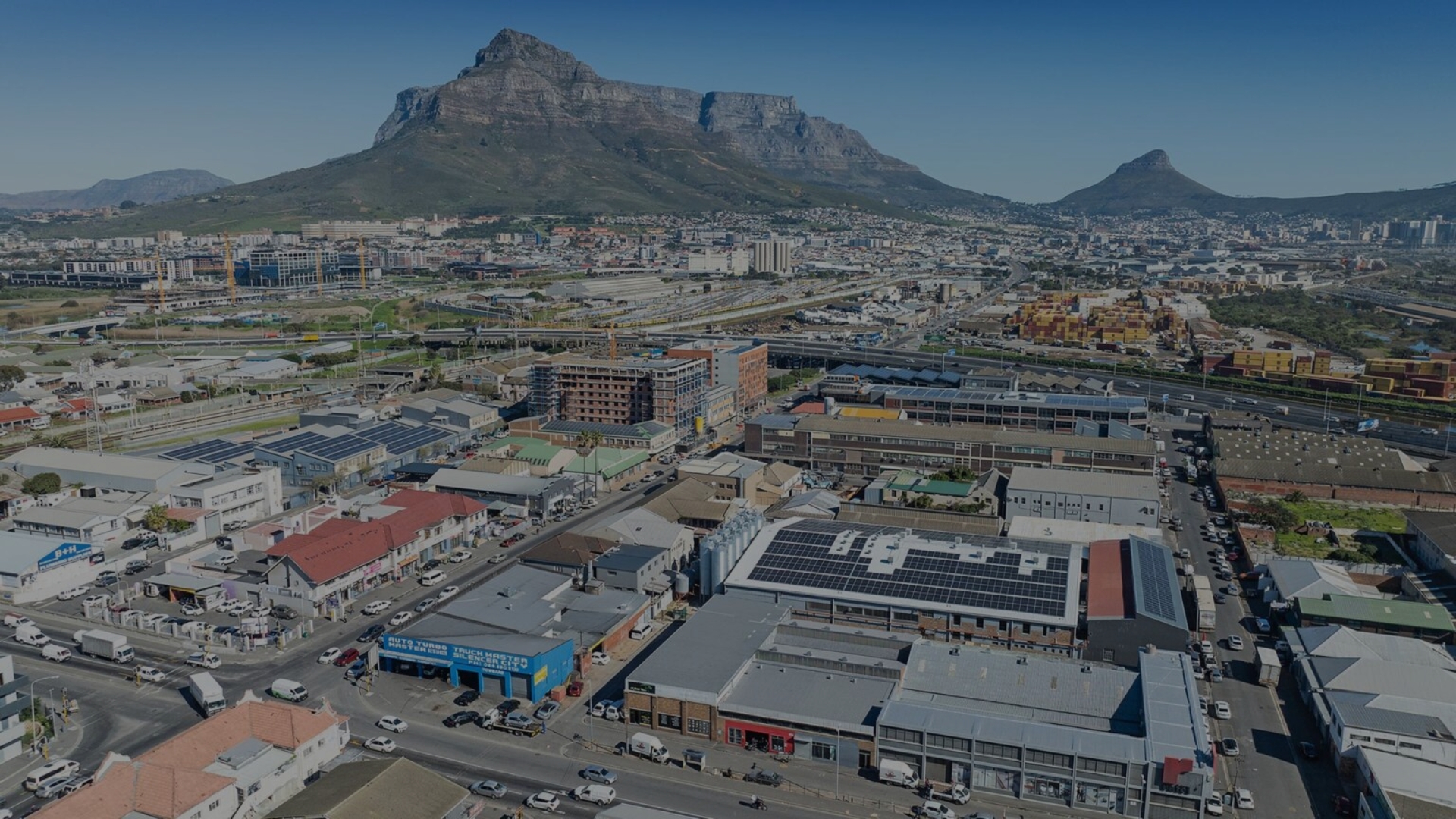
Maitland and Ndabeni together offer one of the most compelling location propositions in the Cape Town industrial market. No other industrial corridor of this scale sits as close to the CBD, the harbour and the airport simultaneously. Maitland is situated between 10 km and 12 km from the CBD, the harbour and the airport, and Ndabeni is even closer at approximately 6 km from the city centre.
For businesses that need reliable access to the port, proximity to the CBD's professional services cluster, or fast connections to the N1, N2 and M5 highway network, this location is difficult to improve on at an industrial rental level.
Average rental rates in Maitland range from R55 to R75 per square meter per month, depending on property size, location and specification. Smaller mini-units tend to sit at the higher end of this range, while larger older warehouses achieve more competitive rates. In Ndabeni, comparable industrial space is available at similar rates, with newer and better-specified properties in sectional title parks and managed complexes achieving rentals at the upper end of this band. These rates represent some of the most competitive pricing available for inner-city industrial space in Cape Town, particularly given the proximity to the CBD that these nodes offer.
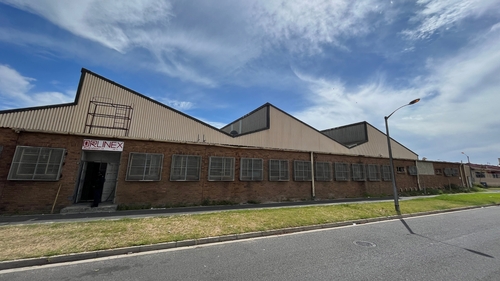
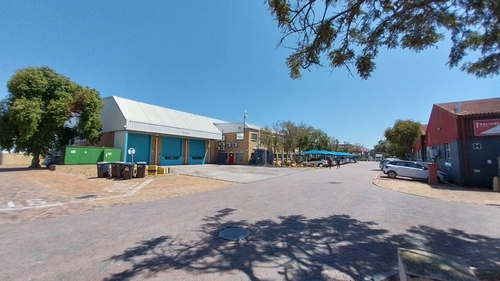
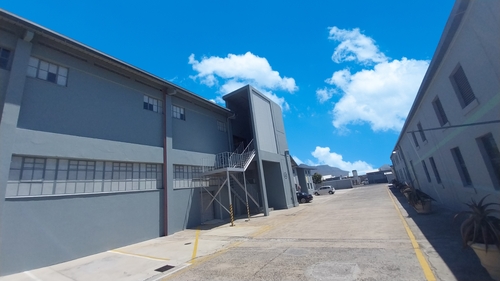
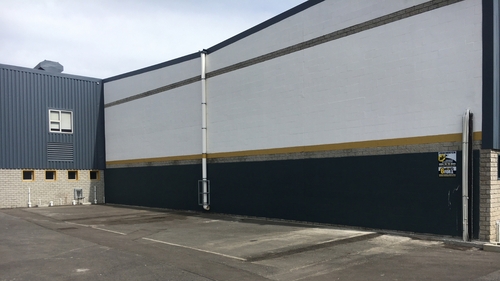
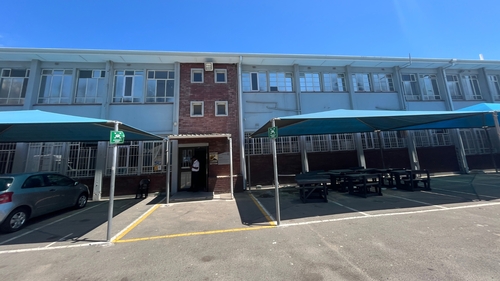
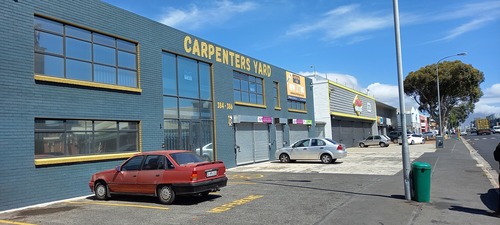
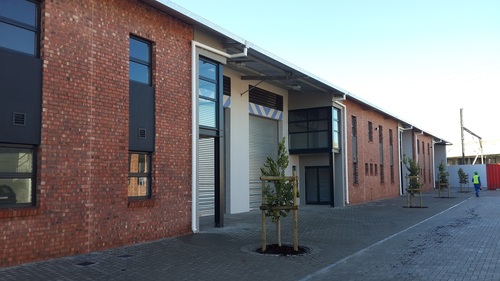
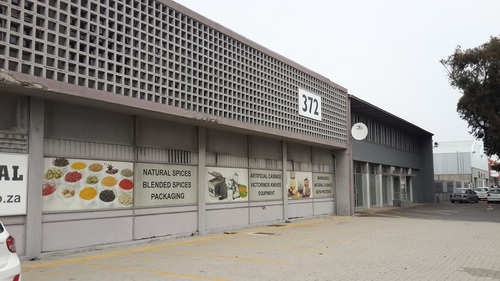
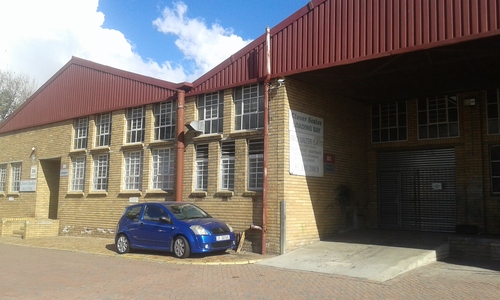
Maitland's building stock consists primarily of small to medium-sized warehouses and factories, both freestanding and within business parks, catering to industries including printing and packaging, engineering, automotive, media, recycling and distribution. The property mix gives businesses a genuine range of options — from functional older warehouse space suited to storage and basic operations, through to converted and upgraded industrial buildings that now serve creative, artisanal and mixed-use occupiers. Business parks in Maitland cater for distribution hubs, artisanal manufacturing and distribution, third-party logistics, call centres, warehousing, creative and artisanal studios, office and laboratory use. This breadth of permitted uses across Maitland's mixed-use zoning zones gives businesses more flexibility than they would find in more narrowly zoned industrial nodes elsewhere in Cape Town
The Maitland and Ndabeni Investment Case: What Landlords and Investors Should Know
Maitland and Ndabeni sit within South Africa's top-performing commercial property sector and offer investment conditions that combine competitive entry pricing with genuine inner-city location scarcity. No other industrial nodes at this price level sit this close to the Cape Town CBD, and this proximity is a structural advantage that becomes more valuable as the city continues to grow.
Ndabeni has been identified by the City of Cape Town as a Development Focus Area as part of the Table Bay District Spatial Development Framework, and an Incentive Overlay Zone has been implemented in adjacent parts of the node. These designations signal that the City actively supports development and investment in the area, which is a meaningful indicator for investors assessing the long-term planning environment. Development Focus Area status typically facilitates more efficient land use approvals and signals public sector commitment to upgrading infrastructure and amenity in and around the node.
The area has significant growth potential, with properties in the surroundings that remain vacant or underutilised. For value-add investors, this represents a genuine opportunity to acquire underperforming assets, upgrade them to current market specifications and capture the rental uplift that comes with improved building quality in a location that tenants actively seek. The Maitland City Improvement District plays a significant role in enhancing the area for businesses and residents, which gives investors confidence that the operating environment will be actively maintained and improved over time.
The broader investment story for these nodes is one of location scarcity and value. Industrial land this close to Cape Town's CBD, harbour and airport does not become available in other parts of the metro. As the inner city continues to grow, with residential development in the City Bowl and Woodstock increasing population density and the demand for last-mile logistics and distribution, the nodes closest to the centre will benefit most from that structural shift.
Maitland and Ndabeni: A Complete Industrial Property Guide
Maitland and Ndabeni form a continuous industrial corridor that runs along the Voortrekker Road and Berkley Road axes, connecting the Cape Town CBD to the Eastern Suburbs and the major national highway network. Both areas have served Cape Town's industrial economy for several decades and both are now at an interesting point of transition, established industrial nodes with active creative and mixed-use redevelopment occurring alongside the traditional warehouse and factory base. This guide gives you a factual view of both areas and their geography, building stock, key parks, market conditions and what to expect whether you are leasing, buying or investing here.
Location and Geographic Boundaries
Ndabeni is located approximately 6 km east of Cape Town's city centre, south of the Voortrekker Road corridor. It shares borders with Pinelands to the southeast and Maitland to the north. Maitland lies directly north of Ndabeni, extending along the Voortrekker Road corridor toward Salt River and Woodstock to the west. Together the two areas form a continuous industrial band that stretches from the inner city fringe to the start of the Eastern Suburbs.
Ndabeni's strategic positioning provides convenient access to various parts of Cape Town including the CBD, the harbour and major industrial areas such as Paarden Eiland, Epping and Montague Gardens. The M5 highway runs alongside the node, providing direct north-south access to the N2 and the airport to the east and the CBD and Atlantic Seaboard to the west. Ndabeni is also situated near the Voortrekker Road public transport interchange and is serviced by rail, taxis and GABS bus services. Maitland adds further highway connectivity through its proximity to the N1, providing direct access to the Northern Suburbs and the national road network.
Berkley Road runs parallel to Voortrekker Road through the heart of both nodes, and a new bridge planned at the bottom of Berkley Road will increase direct access into Salt River and Observatory, further strengthening the connectivity between these industrial nodes and the growing creative and commercial precincts to their west.
The Character of the Two Nodes
While Maitland and Ndabeni share a geography and complement each other operationally, they have distinct characters that attract different types of businesses.
Maitland is the larger and more diverse of the two areas. It functions as a genuine mixed-use industrial node, with conventional warehouses and factories operating alongside converted creative industrial spaces, media businesses, printing and packaging operations, automotive businesses and a growing cluster of artisanal and niche manufacturing businesses. The Maitland Business Exchange is a landmark industrial and creative hub with shared workspaces, coffee shops and amenities, and it represents the direction in which parts of Maitland are evolving toward a model similar to Woodstock's Old Biscuit Mill, where industrial heritage is repurposed to serve a broader mix of creative, commercial and hospitality tenants.
Ndabeni is a popular industrial area well known for its large industrial warehouses and sectional title mini-unit parks. It is more uniformly industrial in character than Maitland, with a tenant base concentrated in manufacturing, warehousing and distribution. Landmark light industrial companies in Ndabeni include Hoghouse Brewing Company, Merrypack and Tiger Brands. Other prominent businesses operating from Ndabeni include Beacon Sweets and Chocolate, Nestlé Purina Petcare, Barrs Pharmaceutical Industries and Hybrid Composite. This combination of food manufacturing, pharmaceutical production and FMCG distribution makes Ndabeni one of the more sector-diverse industrial nodes in the inner Cape Town area.
Both Maitland and Ndabeni contain a range of business parks and standalone industrial properties across different specifications and price points.
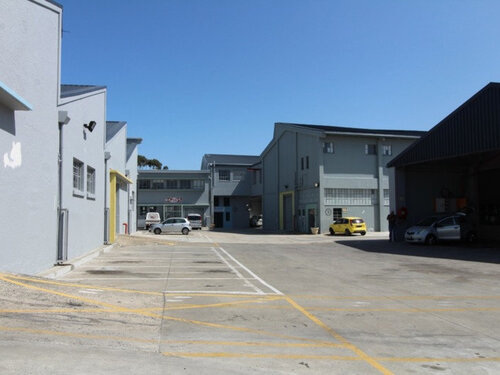
Gateway Industrial Park at 53 Berkley Road, Maitland, is a well-established and secure industrial complex offering units suited to manufacturing, warehousing, storage and distribution. The park features perimeter walls, guarded access at two entrances, ample parking, roller shutter doors, three-phase power and efficient loading areas, and it operates 24-hour security. Its Berkley Road location gives direct access to both Voortrekker Road and the N2, making it a practical choice for logistics and distribution businesses with multi-directional freight requirements.
The Old Timber Yard at 22 7th Avenue, Maitland, is a redevelopment of the original Universal Confectionery Works building and has been reimagined as a creative industrial hub. It hosts a cluster of equipment rental, warehousing, packaging, apparel, niche manufacturing and light industrial businesses, with dedicated facilities for 12-metre container loading and unloading including an on-site forklift. The park's MU2 mixed-use zoning permits retail, offices, services, light industrial, warehousing, distribution and laboratory use, giving tenants a level of operational flexibility that pure industrial zoning does not allow.
Industries and Tenant Base
The combined Maitland and Ndabeni industrial corridor attracts a genuinely diverse tenant base. Industries active in Maitland include printing and packaging, engineering, automotive, media, recycling and distribution. The automotive sector is well represented, with vehicle servicing, parts suppliers and panel beaters clustered along the Voortrekker Road corridor. The media and creative sector is growing, drawn by the affordable large-floor spaces in converted industrial buildings that suit film production, photography studios and creative agencies.
Transport and Labour Access
Both nodes are exceptionally well connected by public transport. Ndabeni is serviced by the Metrorail rail network, MyCiTi bus services, Golden Arrow buses and minivan taxis, with a public transport interchange nearby on Voortrekker Road. Maitland is similarly served, with multiple bus routes and taxi services connecting the area to the CBD, Southern Suburbs, Eastern Suburbs and Northern Suburbs. Metrorail services through the Maitland station provide direct rail access to the CBD and the southern suburbs.
Urban Management and Safety
The Maitland City Improvement District actively manages security, cleanliness and infrastructure maintenance across the node, with security patrols, CCTV coverage and emergency management services coordinated across the precinct. Ndabeni maintains 24-hour security patrols and community policing across its industrial precinct, providing a consistent baseline of safety for businesses and their assets.
The Development Opportunity
Maitland and Ndabeni are at an earlier stage of the urban regeneration cycle than Woodstock, which lies immediately to their west. Ndabeni has significant growth potential, with properties in the surroundings that are currently vacant or underutilised. For developers and value-add investors, this represents a genuine opportunity to acquire underperforming assets at entry pricing, upgrade them to current market specifications and capture the rental uplift that comes with improved building quality in a location with genuine inner-city scarcity
FREQUENTLY ASKED QUESTIONS: INDUSTRIAL PROPERTY IN MAITLAND AND NDABENI
What does it cost to rent industrial space in Maitland and Ndabeni? Average industrial rental rates in Maitland range from approximately R55 to R75 per square meter per month, depending on property size, location and specification. Smaller mini-units typically sit at the higher end of this range, while larger older warehouses achieve more competitive rates. Ndabeni offers comparable pricing, with newer and better-specified sectional title parks achieving rentals toward the upper end of this band. Both nodes represent some of the most competitive industrial pricing available at this distance from the Cape Town CBD.
What types of businesses operate in Maitland and Ndabeni? Maitland attracts businesses across printing and packaging, engineering, automotive, media, recycling, distribution and creative manufacturing. The area's mixed-use zoning also supports artisanal businesses, third-party logistics, call centres, studios and laboratory users. Ndabeni hosts a concentration of food manufacturing, FMCG distribution, pharmaceutical and medical technology businesses, with major tenants including Tiger Brands, Beacon Sweets, Nestlé Purina and Barrs Pharmaceutical. A growing medical technology cluster benefits from proximity to UCT and Vincent Pallotti Hospital.
How do Maitland and Ndabeni compare to other Cape Town industrial nodes? Maitland and Ndabeni offer unmatched inner-city proximity at industrial rental rates. No other industrial node sits between 6 and 12 km of the CBD, harbour and airport at R55 to R75 per square meter. Compared to Epping Industria, both nodes are closer to the CBD and offer more flexible zoning, though Epping provides a wider range of large-format industrial stock. Compared to Montague Gardens, both offer significantly lower rentals and better CBD proximity, though Montague Gardens provides stronger Northern Suburbs positioning and more modern park infrastructure.
Is Maitland or Ndabeni a good area to invest in industrial property? Both nodes sit within South Africa's top-performing commercial property sector, with Cape Town delivering 14% to 15% year-on-year industrial rental growth in late 2025 — the highest in the country. Ndabeni has been designated a Development Focus Area by the City of Cape Town with an Incentive Overlay Zone in adjacent parts, signalling active public sector support for investment. Capitalisation rates in Ndabeni have historically ranged between 10% and 10.5% for industrial assets, making the node competitive on yield relative to more expensive Cape Town nodes.
What public transport is available in Maitland and Ndabeni? Both nodes are exceptionally well served by public transport. Maitland is accessible by Metrorail from Maitland station, MyCiTi bus services, Golden Arrow buses and minibus taxis, with connections to the CBD, Southern Suburbs, Eastern Suburbs and Northern Suburbs. Ndabeni is served by the Metrorail network, MyCiTi and Golden Arrow bus services and minivan taxis, with a public transport interchange on nearby Voortrekker Road. This transport coverage makes both nodes accessible to a broad labour pool from across the metropolitan area.
What are the key road connections from Maitland and Ndabeni? The M5 provides the most direct highway connection for both nodes, giving fast access to the N2 toward the airport and Eastern Suburbs, and to the Foreshore and port to the north. Voortrekker Road connects directly to the N1 for Northern Suburbs and national road access. Berkley Road runs parallel to Voortrekker Road and provides an additional internal corridor connecting the two nodes. A planned new bridge at the bottom of Berkley Road will further improve access into Salt River and Observatory when complete.
What lease terms are typical for industrial space in Maitland and Ndabeni? Most industrial leases in Maitland and Ndabeni run for three to five years, with annual escalation clauses typically between 7% and 10% per year. Shorter terms and more flexible arrangements are available in some mixed-use and creative parks in Maitland. Landlords in both nodes require standard financial documentation including rental payment history, references and current financial statements as part of the tenant qualification process.

Direct marketing and distribution to our vast broker network.

Securing the best possible terms with new tenants and managing renewals.

Handling the entire process from lease preparation to deposit collection.
Please enter your email address below. Once submitted, you will receive your requested report as an attachment via email.
Call us to discuss your requirements - we're awaiting your call.


Search Knight Frank SA: You can't beat local passion backed by global support.