

Premium Grade office space achieved rentals of R0/m² (USD: n/a/m²) during October 2026, with available stock currently at m². This segment continues to reflect demand for high-quality commercial property.
A Grade office space achieved rentals of R110/m² (USD: 10.94/m²), with current stock availability of 7 96 m². The sector continues to offer competitive commercial property at more accessible rental levels.
Rental figures exclude VAT.

Retail space achieved rentals of R225 - R80/m² (USD: 12.16 - 4.32/m²) during October 2026, with available stock currently at 3 695 m². This segment continues to reflect demand for high-quality retail property.
Market Activity retail space continues to show steady demand across key nodes, with availability levels reflecting ongoing tenant movement and consistent absorption within the sector.
Rental figures exclude VAT.

Industrial space achieved rentals of R75 - R80/m² (USD: 4 - 4/m²) during October 2026, with available stock currently at 2 099 m². This segment continues to reflect demand for high-quality industrial property.
Market Activity industrial space continues to show stable demand across logistics, warehousing, and light manufacturing nodes, with absorption trends supported by ongoing supply constraints in key industrial corridors.
Rental figures exclude VAT.
Office and Commercial Space in Woodstock: What Tenants Need to Know
Woodstock occupies a position that very few Cape Town suburbs can match. It sits on the eastern fringe of the City Bowl, wedged between the N2 highway and the lower slopes of Devil's Peak, with the Cape Town CBD, the V&A Waterfront and the University of Cape Town all reachable in under ten minutes by car. For businesses that need proximity to the CBD but want to avoid CBD pricing, or that require a creative, character-rich address rather than a conventional office tower, Woodstock consistently delivers.
Commercial rentals in Woodstock offer meaningful savings relative to the CBD. Gross monthly rentals for office space in Woodstock currently range from approximately R110 to R160 per square meter. At the lower end of that range you find well-located A-grade space in buildings like Upper East Side and Sir Lowry Studios. At the upper end you find newly fitted, high-specification units in developments such as The District as well as The Boulevard. This pricing positions Woodstock as one of the most competitive office markets in the Cape Town inner city, offering genuine value for businesses that have outgrown coworking but are not ready to commit to CBD-level rentals.
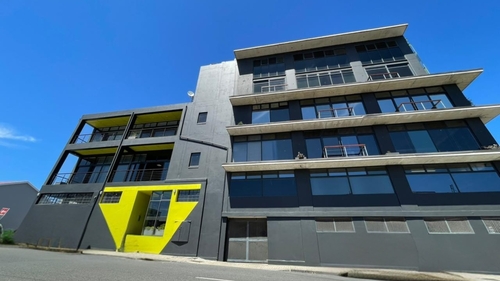
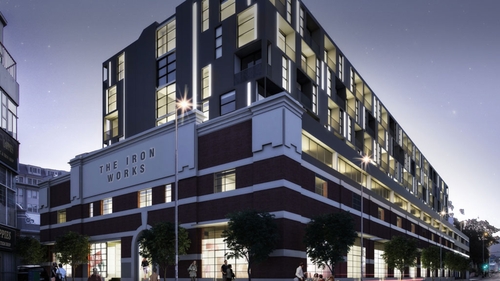
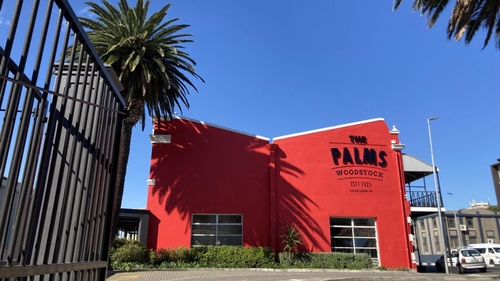
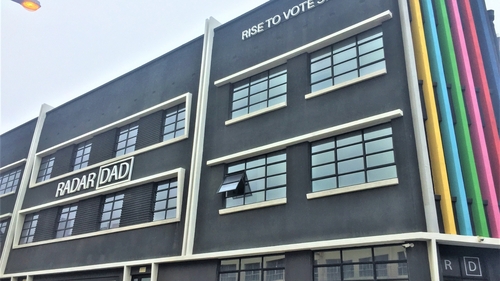
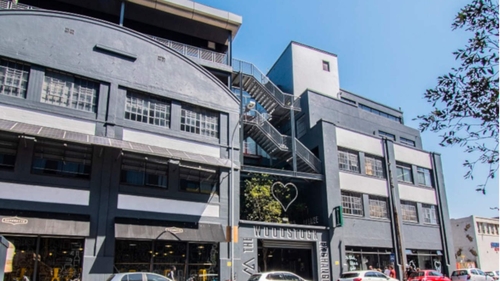
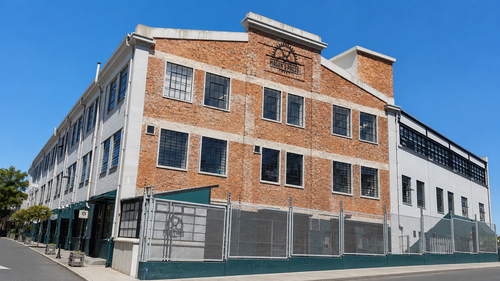
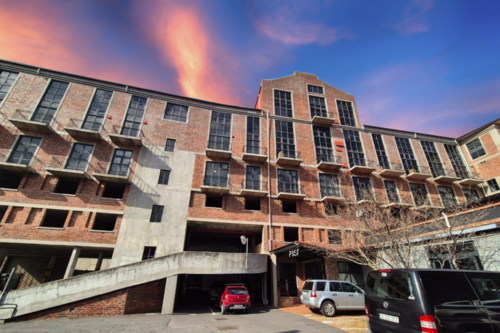
The buildings in Woodstock are genuinely varied. The area divides broadly between converted industrial and heritage buildings, warehouses, old factories and Victorian-era commercial properties that have been refurbished into open-plan creative offices and studio spaces, and newer mixed-use developments that provide more conventional A-grade commercial accommodation. Landmark developments including the Old Castle Brewery and the Woodstock Exchange have been central to this transformation, creating multi-tenanted buildings that house independent eateries, boutique retailers, coworking spaces, design studios and creative businesses under one roof.
Unit sizes in Woodstock suit a wide range of business types. Small office and studio units from 100 m² are available in multi-tenanted buildings along Albert Road and Sir Lowry Road, making Woodstock accessible to startups and sole practitioners who want a commercial address close to the city. Mid-sized office floors from 300 m² to 1,000 m² suit growing businesses, agencies and professional services firms. Larger floor plates above 1,000 m² are available in buildings along Beach Road and Searle Street, suited to BPO operations, large agencies and businesses that need open-plan headquarters with close proximity to the CBD.
The Woodstock Investment Case: What Landlords and Investors Should Know
Woodstock is one of Cape Town's most active investment precincts and has consistently outperformed the broader city average on both price appreciation and rental growth over the past five years. The drivers are structural, location, constrained supply, sustained demand from growing industries and ongoing urban investment.
Property prices in Woodstock have seen estimated annual growth of 8% to 12% over the past two to three years, outpacing the broader Cape Town metro average of 4% to 5%. This performance places Woodstock among the strongest appreciating commercial and mixed-use investment locations in the city. As of early 2026, Woodstock remains one of the top Cape Town neighbourhoods showing the clearest signs of gentrification and attracting active investor capital, with visible renovation activity, new mixed-use developments and rising transaction volumes.
Gentrification premiums on commercial rentals in upper Woodstock are currently outpacing purchase price growth, creating conditions where rental yields are strong relative to acquisition costs. For investors acquiring well-located commercial assets in Woodstock, the combination of above-average capital growth and competitive initial yields makes a compelling case relative to more established and more expensive city nodes.
The development pipeline in Woodstock supports sustained demand without the risk of oversupply. Current and recent developments include Woodstock Quarter at 187 Sir Lowry Road, a new mixed-use development offering commercial and residential components, and The Woodstock, a 32-unit apartment building on Albert Street. These projects are bringing new stock to the area while preserving the character and heritage fabric that makes Woodstock attractive to tenants.
The Woodstock Community Improvement District has been active in balancing heritage preservation with development, and the City of Cape Town approved a 9,000 square meter social housing project providing 375 housing units and over 350 open-market residential units, which will increase the residential population and support commercial foot traffic.
Woodstock: A Complete Commercial Property Guide
Woodstock is one of Cape Town's oldest suburbs and one of its most actively transforming commercial property markets. It sits at the intersection of heritage, creativity and urban investment, and it offers businesses and investors a genuinely distinct alternative to the conventional CBD office market. This guide gives you a factual view of the area, its location, its building stock, its market dynamics and what to expect whether you are leasing, buying or investing here.
Location and Geographic Boundaries
Woodstock sits on the eastern fringe of Cape Town's City Bowl, approximately 2 km from the Cape Town CBD. It is bordered by the N2 highway to the south and east and by the lower slopes of Devil's Peak to the north. The V&A Waterfront, the Cape Town CBD and the University of Cape Town are all reachable in under ten minutes by car. The area is served by Albert Road and Sir Lowry Road as its primary commercial corridors, with Victoria Road, Beach Road and Searle Street housing a range of commercial and mixed-use buildings. The N2 provides direct access east toward the airport and southern suburbs, and west toward the CBD and the N1. For businesses with clients or staff across the metro, Woodstock's position as a transit node between the city centre and the southern and eastern suburbs is a practical advantage.
The Character of the Commercial Market
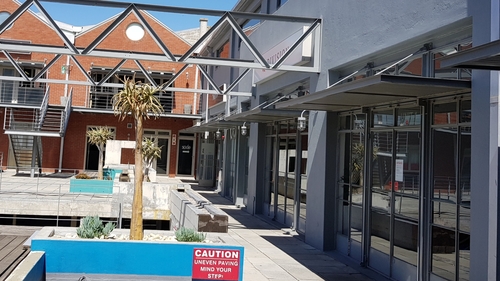
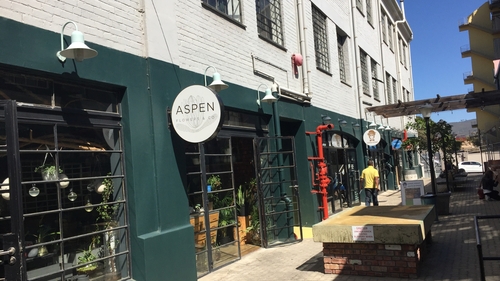
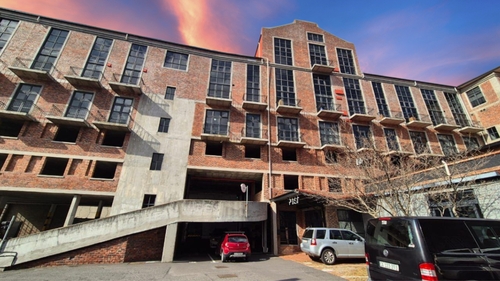
Woodstock does not fit a single commercial profile. It contains several distinct building typologies that appeal to different tenant types and sit at different price points within the market. The converted warehouse and factory buildings along Albert Road and the streets running off it represent Woodstock's most distinctive commercial offering. These are heritage structures that have been refurbished to varying degrees of specification, typically featuring high ceilings, exposed brickwork, large windows and open-plan layouts. The Woodstock Exchange on Albert Road is the most prominent of these, a four-storey urban-industrial landmark that was once the Woodstock Industrial Centre and now houses a mix of creative businesses, coworking spaces, independent eateries and boutique retailers. These buildings attract creative agencies, media firms, technology businesses, architects and design studios that value environment and character as much as specification.
Rennie Knight Frank operates across the full Cape Town market. We give you direct access to available listings, market intelligence and professional advisory support backed by the global Knight Frank network. Contact our Cape Town team to discuss your requirements.
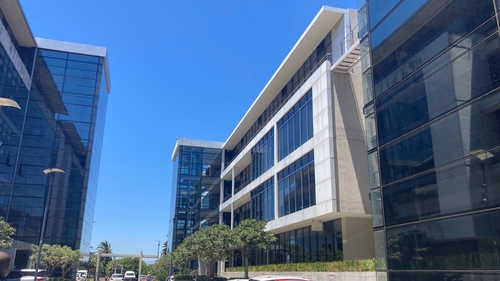
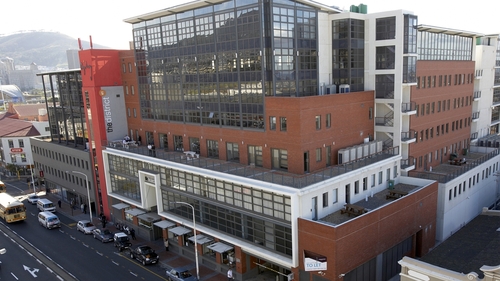
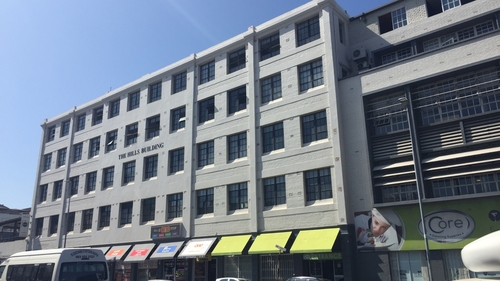
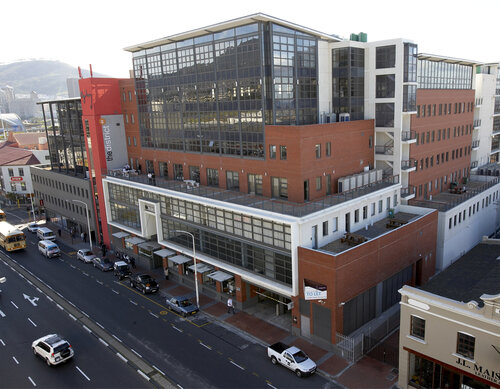
The newer A-grade commercial buildings in Woodstock offer a more conventional office product. Upper East Side on Brickfield Road, which shares its address with the DoubleTree by Hilton Hotel, provides a combination of office, retail and hotel accommodation in a single mixed-use development and suits professional services businesses, financial advisors and firms that need quality, client-facing space with a central address. The District on Sir Lowry Road offers larger floor plates on multiple levels suited to established businesses and larger teams.
Development and the Future of Woodstock
Woodstock is at an active stage of its urban evolution. Heritage Western Cape has introduced requirements for social impact studies on new developments in the area, which reflects the significance of the suburb's built heritage and signals that future development will need to engage more carefully with the existing fabric. This regulatory environment may moderate the pace of new supply, which for existing landlords and investors has the effect of supporting rental growth and reducing the risk of oversupply in the short to medium term.
Woodstock Quarter at 187 Sir Lowry Road represents the newest generation of Woodstock commercial development, combining office and residential components in a mixed-use format that reflects how the area continues to evolve. The Old Castle Brewery on Beach Road offers large, unique loft-style spaces with strong character that suit creative headquarters, media production and design businesses that need volume and distinctive surroundings.
Explore Commercial Property by Precinct in Woodstock
Woodstock divides naturally into several commercial sub-areas, each with its own character and tenant profile. Understanding where in Woodstock your business or investment sits makes a meaningful difference to the rental rate, the building type and the operating environment you can expect.
Lower Woodstock, centered on Albert Road and the streets around the Woodstock Exchange, is the creative and cultural heart of the suburb. It draws the highest concentration of design, media, technology and agency businesses in the area. Rentals are competitive and the building stock is predominantly converted industrial heritage with high ceilings and open-plan layouts.
Upper Woodstock, on the slopes above Victoria Road, offers a quieter environment with a mix of smaller commercial buildings and mixed-use properties. It suits professional practices, NGOs, small agencies and businesses that want a Woodstock address at the lower end of the area's rental range.
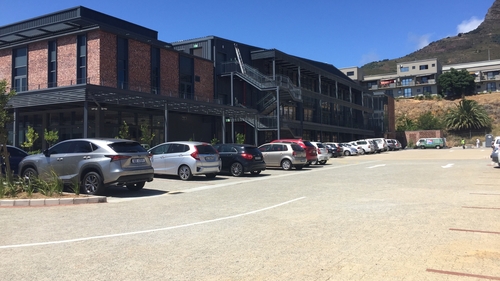
The Sir Lowry Road and Brickfield Road corridor connects Woodstock to the CBD and Salt River. This is the primary route for newer A-grade commercial development and mixed-use projects, and it is where the most conventional office product in Woodstock can be found. Buildings along this corridor offer better parking ratios and easier vehicle access than the older warehouse precincts deeper in the suburb.
The Beach Road and Searle Street area, on the northern edge of Woodstock closer to the Foreshore, suits businesses that need large floor plates and proximity to the CBD without paying CBD rentals. Several buildings in this area offer full-floor options above 1,000 m² that are well suited to BPO operations, training centers and large team headquarters.
Building Stock and Rental Pricing
The rental range in Woodstock reflects the diversity of the building stock. At the entry level, small studio and office units in multi-tenanted buildings along Albert Road start from around R120 per square meter per month on a gross basis inclusive of rates and levies. A-grade office space in newer buildings along Sir Lowry Road and Brickfield Road currently asks between R130 and R160 per square meter. Premium and newly fitted spaces in developments like Woodstock Quarter and The District sit at the upper end of this range.
These figures represent a meaningful discount to comparable A-grade space in the Cape Town CBD, which currently asks between R185 and R260 per square meter, while offering comparable quality in the newer buildings and substantially more character in the converted heritage stock. For businesses where environment matters to talent attraction and client perception, this value proposition is a strong one.
Transport and Connectivity
Woodstock is one of the best-connected inner-city suburbs in Cape Town. Within ten minutes by car you can reach the V&A Waterfront, the Cape Town CBD or the University of Cape Town. The N2 provides direct highway access east toward the airport and southern suburbs. MyCiTi bus services run through the area, and the suburb is within walking distance of several Metrorail stations that link to the southern suburbs and the CBD.
The City of Cape Town's 2025 road resurfacing works on Victoria Road and Albert Road improved pedestrian and cyclist infrastructure along the main commercial corridors, making Woodstock increasingly viable for staff who walk or cycle to work. For businesses that need vehicle access and parking, several buildings in the area provide on-site parking, though visitor parking can be limited in the older parts of the suburb and this should factor into your location decision.
Key Tenants and Industries
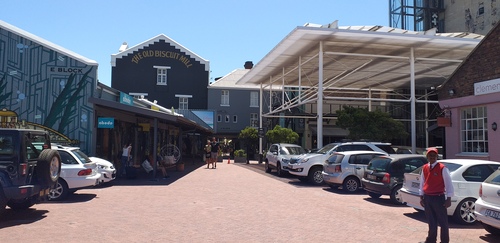
Woodstock attracts a genuinely diverse commercial tenant base. Creative agencies, graphic design studios, architecture firms and media companies cluster around the Woodstock Exchange and Albert Road. Technology businesses, software developers and digital marketing firms occupy newer commercial buildings along Sir Lowry Road and Brickfield Road. Professional services firms including financial advisors, accountants and legal practices choose Upper East Side and the newer A-grade buildings for their client-facing requirements. Training centres, colleges and educational institutions are active in the area, drawn by the large floor plates and central location. The food and hospitality sector is a significant presence, with the Old Biscuit Mill's Neighbourgoods Market, the Test Kitchen and a range of independent restaurants and cafes operating across the suburb.
The Old Biscuit Mill warrants specific mention as a commercial and cultural anchor. Originally the Pyotts biscuit factory, it has been transformed into a mixed-use development that houses restaurants, design and retail boutiques, production studios and offices. The Saturday Neighbourgoods Market draws thousands of visitors weekly and sustains foot traffic that benefits the broader commercial area around it.
Urban Management and Safety
The Woodstock Improvement District operates 16 security officers providing 24-hour patrols and a CCTV network of more than 14 cameras across the precinct. The WID is currently in its fifth five-year term through 2027 with a renewed mandate and expanded CCTV coverage. This active management infrastructure provides a meaningful baseline of safety and cleanliness across the commercial areas of the suburb, and it is one of the factors that institutional and professional tenants weigh when considering Woodstock against other inner-city alternatives. Safety conditions in Woodstock are variable by street and sub-area, as is the case in most inner-city Cape Town suburbs. The established commercial precincts around the Woodstock Exchange, Upper East Side and the Sir Lowry Road corridor are well managed and active during business hours. Businesses considering locations on the residential edges of the suburb should assess specific street-level conditions as part of their due diligence.
Development and the Future of Woodstock
Woodstock is at an active stage of its urban evolution. Heritage Western Cape has introduced requirements for social impact studies on new developments in the area, which reflects the significance of the suburb's built heritage and signals that future development will need to engage more carefully with the existing fabric. This regulatory environment may moderate the pace of new supply, which for existing landlords and investors has the effect of supporting rental growth and reducing the risk of oversupply in the short to medium term.
FREQUENTLY ASKED QUESTIONS: COMMERCIAL PROPERTY IN WOODSTOCK
What does it cost to rent office space in Woodstock, Cape Town? Commercial office rentals in Woodstock currently range from approximately R110 to R160 per square meter per month on a gross basis, inclusive of rates, CID levies and building levies but excluding VAT. Entry-level studio and office units in converted industrial buildings along Albert Road sit at the lower end of this range. Newer A-grade office space in buildings along Sir Lowry Road and Brickfield Road sits at the upper end. This compares favourably to A-grade CBD office space, which currently asks between R185 and R260 per square meter.
What types of businesses operate in Woodstock? Woodstock attracts creative agencies, technology firms, architecture and design studios, media companies, professional services businesses, training centers and food and hospitality operators. Major commercial anchors include the Woodstock Exchange, the Old Biscuit Mill, Upper East Side and The District. The suburb is also home to a growing number of coworking spaces and serviced offices that suit smaller businesses and startups wanting a central Cape Town address.
Is Woodstock a good area to invest in commercial property? Woodstock has delivered estimated annual property price growth of 8% to 12% over the past two to three years, outperforming the broader Cape Town metro average of 4% to 5%. As of early 2026, it remains one of Cape Town's most active investment precincts, with gentrification premiums on commercial rents outpacing purchase price growth in parts of the suburb. The constrained development pipeline created by heritage oversight is likely to support rental growth for existing stock.
How does Woodstock compare to the Cape Town CBD for office space? Woodstock offers office space at a meaningful discount to comparable CBD product, with gross rentals typically 20% to 35% below CBD A-grade rates. The trade-off is a smaller selection of very large floor plates, lower parking ratios in older buildings and a more variable street-level environment. For businesses that value creative character, proximity to the CBD and competitive rentals, Woodstock is a strong alternative. For businesses that need high parking ratios, large contiguous floor plates or a conventional corporate address, the CBD or Century City may be more appropriate.
What lease terms are typical for office space in Woodstock? Most commercial leases in Woodstock run for three to five years. Shorter terms and more flexible arrangements are available in serviced offices and coworking spaces throughout the suburb. Annual escalation clauses are standard, typically between 7% and 10%. Some landlords offer tenant installation allowances or rent-free periods on longer leases, particularly in buildings with available vacancy.
What transport options are available for businesses in Woodstock? Woodstock is accessible by MyCiTi bus, Metrorail and road. The N2 provides direct highway access toward the CBD and airport. Victoria Road and Sir Lowry Road connect the suburb to the CBD within a short drive. The suburb is also accessible on foot or by bicycle from parts of the City Bowl, and the City of Cape Town's 2025 road improvements along Albert Road and Victoria Road have improved pedestrian and cyclist infrastructure. On-site parking is available in several of the newer commercial buildings, though visitor parking is more limited in the older converted buildings.
What is the Woodstock Exchange and where is it? The Woodstock Exchange is located at 66 Albert Road, Woodstock. It is a four-storey converted industrial building that was originally the Woodstock Industrial Centre and now houses a mix of creative businesses, coworking spaces, independent retailers and cafes. It is one of the most recognisable commercial addresses in the suburb and offers office and studio units from approximately 41 m² to full-floor spaces above 1,000 m².
Content accurate as at May 2026. Market data sourced from Rode Report, Property24 and publicly available commercial property research.

Direct marketing and distribution to our vast broker network.

Securing the best possible terms with new tenants and managing renewals.

Handling the entire process from lease preparation to deposit collection.
Please enter your email address below. Once submitted, you will receive your requested report as an attachment via email.
Call us to discuss your requirements - we're awaiting your call.


Search Knight Frank SA: You can't beat local passion backed by global support.


